
Understanding North Carolina income tax is an essential part of financial planning for both individuals and businesses. Whether you’re filing your annual North Carolina tax return, managing property investments, or reviewing recent tax changes, it’s important to know how the state’s tax rate works and how it impacts your bottom line.
Join our small business accountants from Steward Ingram & Cooper, PLLC as we guide you through the basics of North Carolina income taxes.
Understanding North Carolina’s Income Tax System
North Carolina has a straightforward income tax system. Instead of multiple brackets, Carolina has a flat tax rate that applies equally to all North Carolina taxpayers, regardless of income level.
What Is the NC State Income Tax Rate?
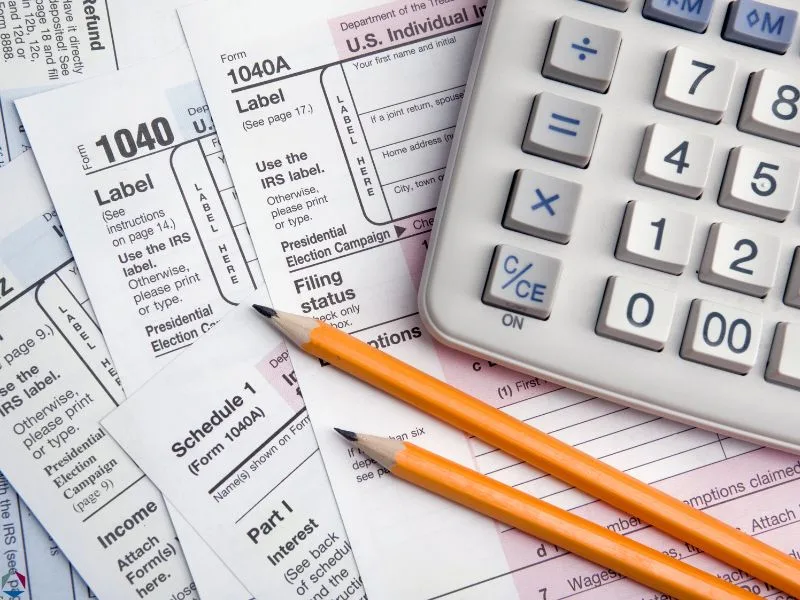
As of tax year 2025, residents paying North Carolina income tax face a flat individual income tax rate of 4.25%. The rate will gradually decrease to 3.99% by 2027. The corporate income tax rate for businesses is 2.25%. Because North Carolina collects a flat percentage from all taxable income, your liability depends only on the amount of taxable income you earn.
North Carolina’s flat rate structure simplifies calculations for both individuals and businesses. Whether you’re a North Carolina resident, part-year resident, or nonresident earning income in the state, you’ll use the same income tax rate to calculate your state tax return.
How North Carolina Collects Taxes
North Carolina collects several types of taxes that fund public services and local infrastructure:
- Income taxes on wages, business profits, and certain investment income.
- Sales tax on retail purchases, services, and certain digital goods.
- Property taxes assessed at the county level.
- Estate tax considerations, though North Carolina currently does not levy a separate estate tax.
- Gas taxes and other state and local revenue sources that contribute to road maintenance and public projects.
Who Is Required to File a North Carolina Income Tax Return?
Whether or not you’re required to file an income tax return in North Carolina depends on your income level, filing status, and residency classification.
Residency Classifications
North Carolina residents are taxed on all income, regardless of where it is earned. Part-year residents who moved into or out of the state during the tax year must file a North Carolina return and pay taxes on income earned while residing in the state. Nonresidents must file if they earned income from North Carolina sources such as employment, rental property, or business operations.
Filing Status Options
Your filing status affects how you calculate deductions, credits, and your income tax rate. Common categories include:
- Single: Unmarried taxpayers who don’t qualify for another status.
- Married Filing Jointly: Spouses who combine their federal tax return and North Carolina return.
- Married Filing Separately: Spouses who maintain separate federal returns or reside in different counties or states.
- Head of Household: A single filer who supports dependents or another household member.
- Qualifying Widow(er): A surviving spouse eligible to retain joint filing benefits for up to two years.
Income Levels
For the 2025 tax year, North Carolina taxpayers must generally file a return if their gross income exceeds the state’s standard deduction amount for their filing status:
- Single: $12,750
- Married Filing Jointly: $25,500
- Married Filing Separately: $12,750 if your spouse does not itemize; $0 (filing required regardless of income) if your spouse does itemize.
- Head of Household: $19,125
- Qualifying Widow(er): $25,500
If your income from wages, self-employment, property, or investments exceeds these thresholds, you’ll likely need to file and pay North Carolina taxes, even if taxes were withheld from your paycheck during the year.
What Counts as Taxable Income in North Carolina?
For most North Carolina taxpayers, taxable income mirrors federal gross income with specific state adjustments.

Common sources of taxable income include:
- Retirement distributions and unemployment compensation.
- Wages, salaries, and bonuses.
- Self-employment income and business profits.
- Rental property income or landlord earnings.
- Investment income such as interest, dividends, and capital gains.
North Carolina income tax is calculated by starting with your federal return and then making additions or deductions that differ under state law.
Taxable vs Non-Taxable Income
While North Carolina collects income taxes on most forms of compensation, some income may be exempt. Non taxable income may come from specific federal or military benefits and depends on your filing situation.
Deductions, Credits, and Exemptions
Even with a flat rate, there are ways to reduce your tax burden. Understanding tax deductions, credits, and exemptions can help lower your taxes paid to the state.
Standard vs Itemized Deductions
You can choose between the standard deduction or itemized deductions, whichever offers the greater benefit for your situation.
Common deductions include:
- Mortgage interest and property taxes.
- Charitable contributions.
- Certain medical expenses.
- Retirement contributions and education-related expenses.
North Carolina allows you to itemize only if you also itemize on your federal income tax return.
Common Tax Credits
Tax credits reduce the total tax owed dollar-for-dollar and may include:
- Credits for dependents or adoption.
- Education and child care expenses.
- Renewable energy or green home investments.
Filing and Paying North Carolina Income Tax
North Carolina residents can file their state tax return electronically or by mail. While many taxpayers use e-filing software, working with a Raleigh tax consultant can help business owners and individuals with complex tax situations make North Carolina tax filing more accurate, organized, and compliant with timelines.
When to File and Pay Taxes In NC
For most taxable years, the filing deadline is April 15, matching the federal tax deadline. If you can’t complete your tax return on time, you may request an extension, though taxes paid after the deadline will still accrue interest.
You’ll typically file your state and local return at the same time as your federal return, using the same filing status and income information. If you need assistance with complex taxes or taxes related to your business income, it’s best to consult professional accountants with experience in tax preparation services in North Carolina to help confirm accuracy and compliance.
Late Filing or Nonpayment
If you fail to file or pay your North Carolina income taxes, you could face penalties and interest on unpaid balances. Timely filing helps prevent unnecessary costs and ensures compliance with North Carolina’s tax laws.
Property Tax and Sales Tax in North Carolina
North Carolina taxes extend beyond income taxes. Two major contributors to state and local revenue are sales taxes and property taxes.
When to File and Pay Taxes In NC
For most taxable years, the filing deadline is April 15, matching the federal tax deadline. If you can’t complete your tax return on time, you may request an extension, though taxes paid after the deadline will still accrue interest.
You’ll typically file your state and local return at the same time as your federal return, using the same filing status and income information. If you need assistance with complex taxes or taxes related to your business income, it’s best to consult professional accountants with experience in tax preparation services in North Carolina to help confirm accuracy and compliance.
Late Filing or Nonpayment
If you fail to file or pay your North Carolina income taxes, you could face penalties and interest on unpaid balances. Timely filing helps prevent unnecessary costs and ensures compliance with North Carolina’s tax laws.
North Carolina Income Tax FAQs
How much is $100,000 a year after taxes in NC?
If you earn $100,000 in taxable income, you’ll pay about $4,250 in North Carolina income tax under the 4.25% income tax rate, plus applicable federal income tax and payroll taxes. Your take-home income will depend on your filing status, deductions, and whether property or sales taxes apply in your county.
Is North Carolina’s income tax high?
Compared to other states, North Carolina’s individual income tax rate is moderate. With a flat 4.25% rate, North Carolina remains more affordable than many states that use tiered brackets.
Is North Carolina a tax-friendly state?
Yes. Between moderate sales tax rates, competitive property taxes, and no estate tax, North Carolina is considered a tax-friendly state for both retirees and small business owners.
Which U.S. state has no state tax?
Seven states—Alaska, Florida, Nevada, South Dakota, Tennessee, Texas, and Wyoming—impose no state income tax, though they may still collect sales or property taxes to generate revenue.
What happens if I move mid-year?
If you become a part-year resident, you must file a North Carolina return for the portion of the year you lived in the state and pay taxes only on income earned during that period.
How is my tax calculated?
Your income tax is calculated based on your federal gross income, adjusted for state and local differences, deductions, and credits. Your income tax rate is then applied to determine your liability.
Do I still pay sales or property taxes if I’m a renter?
Renters contribute indirectly through sales and property taxes included in housing costs. Even if you don’t own property, you still pay sales tax and other state-imposed taxes in your county.
Contact Our Raleigh Tax Planning CPAs Today
Are you a business owner or high-income individual needing assistance filing your state income taxes in North Carolina? The Raleigh CPAs at Steward Ingram and Cooper PLLC takes on a limited number of clients each year. To inquire about our current availability and timeline, fill out the contact form below or give us a call today at (919) 872-0866.
Contact Form
We would love to hear from you! Please fill out this form and we will get back to you shortly.