
Angel investors and venture capitalists face tax questions that rarely come up with an ordinary stock sale. Startup equity, carried interest, fund distributions, and company exits can all be treated differently. If a liquidity event is approaching, the best time to review the tax consequences is usually before the deal closes.
Tax planning on investment gains begins with the investment itself, including how long you’ve held the shares, whether they may qualify for QSBS treatment, and how a large gain affects your overall income. For higher-income investors, that review may also include the 3.8% Net Investment Income Tax, modified adjusted gross income, and possible alternative minimum tax exposure.
Table of Contents
How Are Startup Investment Gains Taxed?
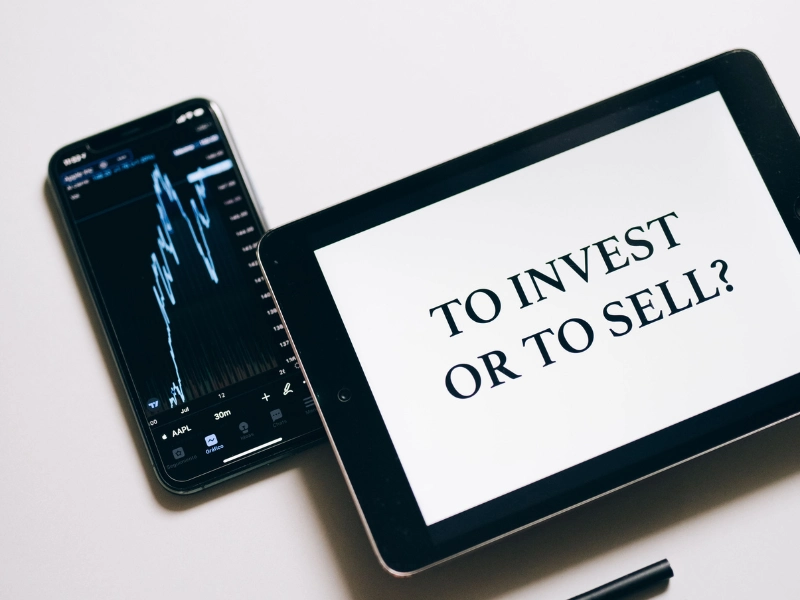
A capital gain is the difference between what you receive when an investment is sold and your adjusted cost basis. Investments held for one year or less usually create short-term capital gains taxed at ordinary income tax rates. Investments held longer than one year may qualify for long-term capital gains tax rates of 0%, 15%, or 20%.
For 2026:
- The 0% long-term capital gains bracket reaches $49,450 of taxable income for single filers and $98,900 for married couples filing jointly.
- The 20% rate begins above $545,500 for single filers and $613,700 for married couples filing jointly.
- The 3.8% Net Investment Income Tax may also apply when income exceeds applicable thresholds.
For startup investors, timing can be harder to control. Shares may remain illiquid for years and then become sellable through an acquisition, tender offer, or IPO. A transaction close to a holding-period cutoff is worth reviewing before the date becomes fixed, since even a small timing difference can affect the taxes on capital gains.
Could Your Startup Shares Qualify for QSBS?
Qualified small business stock can offer substantial tax benefits to eligible angel investors, allowing qualifying taxpayers to exclude some or all of the gain on eligible stock from federal income tax.
For qualifying stock acquired after July 4, 2025, current law outlined in Section 1202 of the Internal Revenue Code provides a 50% exclusion after at least three years, 75% after four years, and 100% after five years.
The base per-issuer exclusion limit for newly acquired qualifying stock also increased from $10 million to $15 million. For stock issued after July 4, 2025, the corporation’s gross-asset ceiling increased from $50 million to $75 million.

Owning Startup Stock Is Not Enough
QSBS must be stock in a qualifying domestic C corporation, and the investor needs to acquire the shares directly from the company.
How the shares were issued, the company’s assets at that time, later entity changes, and certain redemptions can affect eligibility. Make sure you keep stock purchase agreements, capitalization records, exercise documents, and other records showing when and how you acquired the investment.
How Does Carried Interest Affect Venture Capitalists?
Carried interest is the share of fund profits a manager receives for managing the fund rather than a return on the manager’s own contributed capital.

For most investments, holding an asset for more than one year is enough to qualify for long-term capital gains treatment. Carried interest can work differently, with certain gains tied to a partnership interest needing to be held for more than three years before they receive long-term capital gains treatment.
If your individual return is closely connected to a fund, partnership, or operating company, coordinating those issues with business tax planning can provide a clearer picture before the transaction occurs.
What Should You Review Before a Startup Exit?
Before the transaction becomes final, review the acquisition date, cost basis, potential QSBS status, other capital gains or losses for the year, and any partnership or carried-interest activity. The goal is not to create tax-saving strategies at the last minute but to find out which tax strategies are still available and whether any could legitimately minimize taxes on capital assets.
Check the Timing
A transaction near the one-year holding period deserves attention, as does QSBS approaching the three-, four-, or five-year mark. You may not control the closing date, but if timing is negotiable, ask your tax professional whether moving it could change the amount of tax owed.
Look at Charitable Plans Before Selling
If charitable giving is already part of your plan, discuss appreciated shares before selling assets. Donating appreciated assets directly can produce a different capital gains tax liability than selling first and giving the cash. The tax deduction may depend on fair market value, the type of property, the recipient organization, and applicable limits.
What Can You Still Do After the Gain Is Realized?
Once the transaction closes, some choices to minimize capital gains taxes disappear, but other positions in your investment portfolio may still affect the final tax bill.

Tax-loss harvesting can allow you to sell investments at a loss and use those losses to offset capital gains. That can involve individual securities, exchange-traded funds, mutual funds, or other investments held in taxable accounts.
If capital losses exceed capital gains, individuals may deduct up to $3,000 against other income and carry unused losses into future tax years. If you plan to harvest tax losses, watch the wash-sale rule. Buying substantially identical securities too close to the sale can disallow the loss.
Think About Future Investment Income, Too
Investors also need to decide what happens to the proceeds. Municipal bonds, taxable accounts, retirement plans, and other tax-advantaged investments may play different roles depending on your goals.
For some investors, qualified retirement plans or a tax-deferred retirement account may also be part of the broader financial picture. The tax treatment is only one consideration. Investment strategies should still reflect liquidity needs, risk, time horizon, and expected after-tax returns.
Personalized investment advice about allocation or specific investments should come from a reputable tax advisor.

Why Does Tax Planning Need to Connect With the Business Records?
For founders, partners, and investors with closely held business interests, the individual return is often only part of the picture. Accurate company records affect basis calculations, partnership allocations, ownership documentation, and the information available when a transaction is being reviewed. That is one reason consistent small business accounting becomes more valuable as a company grows.
Reliable financial statements also give owners a clearer view of the company’s financial position before a financing round, distribution, or exit.
Taxes on Investment Gains FAQs
How can angel investors and VCs reduce taxes on investment gains?
Angel investors and VCs can sometimes lower the tax impact of a large gain by planning before the exit happens. That may include checking whether the shares qualify for QSBS, reviewing how long the investment has been held, using capital losses to offset gains, or considering charitable giving. The best strategy depends on the investment, the timing, and the rest of your tax picture.
What is the QSBS exclusion?
The QSBS exclusion is a federal tax provision under Section 1202 that can allow eligible investors to exclude some or all of the gain on qualifying small business stock. The issuing company, acquisition method, holding period, and other tax rules determine eligibility.
How does carried interest affect the taxes a VC may owe?
Carried interest can qualify for long-term capital gains treatment, but the rules are stricter than they are for many other investments. Under Section 1061, certain gains tied to a partnership interest need to meet a holding period of more than three years before they receive long-term capital gains treatment.
Can I avoid capital gains tax when I sell an investment?
Some investors can reduce or exclude certain gains through QSBS, capital losses, charitable gifts, or other tax provisions. There is no single strategy that allows every investor to sell an appreciated investment without having to pay taxes on the gain.
When should I talk with a Raleigh CPA about a future capital gains exit?
Talk with your CPA before the transaction becomes final. That leaves time to review holding periods, basis, QSBS eligibility, estimated tax payments, other gains and losses, and the expected tax bill.
Talk With a CPA Before Your Investment Exit Is Final
Once an investment sale closes, many of the key tax decisions have already been made. Reviewing the transaction beforehand gives you a clearer idea of your expected tax bill, whether any tax benefits may apply, and what planning options are still available.
Steward Ingram & Cooper, PLLC provides tax consulting for clients with complex individual and business tax situations. The best course of action is to address tax questions during the year, while there may still be choices available to you. To learn about our current availability to take on new clients, call (919) 872-0866 or fill out the from submission below.
Contact Form
We would love to hear from you! Please fill out this form and we will get back to you shortly.